



Keep Your Blooms Fresh: Best Cold Storage Options
A guest post written by the team at Cool It Storage
Your Guide to Floral Care and the Best Cold Storage Options
Running a successful floral business requires protecting your inventory from the moment it arrives. Fresh-cut flowers are delicate, so storage mistakes can lead to wilting petals, discolored stems and lost revenue. The right temperature and humidity for flower storage make the difference between vibrant displays that attract customers and lackluster blooms that sit unsold.
Why Your Floral Business Needs Specialized Cold Storage
The cut flower market is growing at a CAGR of 4.9% from 2025 to 2030, creating opportunities for florists ready to capture their share. However, growth means nothing if your inventory spoils before reaching customers. Wilted stems, browning petals and premature blooming translate directly to shrinkage and lost profits. Specialized cold storage protects your investment by maintaining the precise conditions flowers need to stay fresh, preserving inventory value and supporting consistent sales.
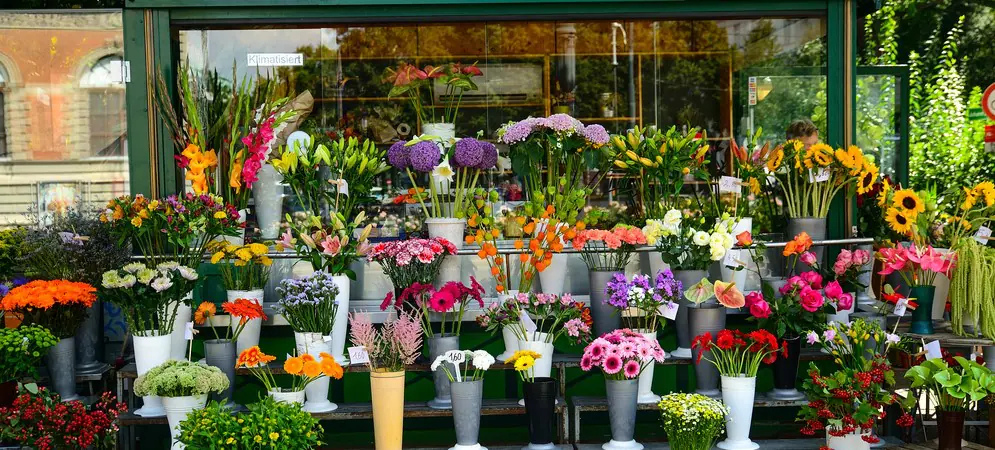
Key Elements of Effective Floral Refrigeration
These are the science-backed requirements for keeping your inventory beautiful.
The Ideal Temperature and Humidity for Flower Storage
Temperature and humidity are the two most critical factors in preserving cut flowers. Most varieties thrive when stored between 33° and 38° Fahrenheit, while tropical species, such as orchids and anthuriums, prefer warmer conditions between 50° and 55° Fahrenheit. Humidity levels around 90% prevent dehydration without encouraging mold growth.
Getting these ranges wrong accelerates wilting and causes buds to open prematurely. Insufficient humidity dries out petals and can leave stems limp.
The Importance of Gentle Airflow and Ventilation
Proper, gentle airflow prevents mold from developing in the humid environment that flowers require. It also manages and disperses ethylene gas, a natural chemical produced by flowers as they age, which speeds deterioration in surrounding blooms.
Strong airflow dries delicate petals despite high humidity levels, so your cooling system should circulate air consistently without creating drafts that stress the flowers.
Maintaining a Clean and Sanitary Environment
Cold temperatures slow bacterial growth but don’t eliminate it entirely. Condensation from fluctuating temperatures can promote the growth of Botrytis and other pathogens, so stability is essential.
Your unit will require regular sanitation to prevent the spread of mold or pathogens between flowers. Bacteria and fungi thrive in the cool, damp conditions flowers need, making cleanliness a nonnegotiable part of cold chain management.

3 Top-Rated Cold Storage Options for Floral Businesses
Featured companies were chosen based on their range of cold storage options suitable for floristry, delivery speed, energy efficiency and ease of use.
Cool It Storage
Cool It Storage specializes in portable walk-in cold storage units that bring professional-grade temperature and humidity for flower storage directly to your location. The company has supplied refrigeration for major events, including Super Bowl LVI, Super Bowl LVIII, the U.S. Open and Coachella, demonstrating its capacity to handle high-stakes floral needs.
Key Features:
- Portable walk-in units that don’t need permanent installation
- 24/7 monitoring with immediate repair service
- Energy-efficient, emission-free operation with quiet performance
- Dual-temperature zones and sliding glass door refrigerator options
Portabull
Portabull provides temporary electric-powered walk-in coolers and refrigerated storage for floral businesses. Its units operate more cost-effectively than diesel alternatives and can be positioned on-site wherever you need additional capacity. The company backs its equipment with a 100% leak guarantee and offers fast deployment when you need storage quickly.
Key Features:
- Remote temperature monitoring capabilities
- Round-the-clock customer support
- Various unit sizes to match your needs
- Wide temperature range settings for different flower varieties
Arctic Walk-Ins
Arctic Walk-Ins offers flower display refrigerators featuring glass doors and color-optimized lighting designed for attractive retail presentation. Its units can be custom-configured to fit your available floor space while meeting specific temperature and humidity requirements. The company provides quick-ship options for urgent installations and direct sales support.
Key Features:
- Compact configurations for space-constrained locations
- Modular construction allows for future expansion
- High-efficiency insulation to reduce energy costs
- Clear glass doors that showcase flowers

Frequently Asked Questions About Floral Coolers
The following answers address common concerns about floral refrigeration.
Can you use a regular commercial refrigerator for flowers?
Standard food refrigerators aren’t recommended for flower storage. They’re designed for lower humidity levels that prevent condensation on food packaging but would dry out flowers. Food coolers also circulate air more aggressively than flowers can tolerate.
How do flower coolers impact sustainability?
Flower coolers do consume energy, but proper storage creates a net positive for sustainability by drastically reducing spoilage-related waste. Choosing an energy-efficient model minimizes your environmental impact while protecting your stock.
What is the biggest mistake florists make with storage?
Inconsistent temperatures represent the most common error. Frequent opening of cooler doors, overloading units or failing to monitor fluctuations can compromise your flowers. Temperature swings stress blooms and shorten display life.

Choosing the Right Investment to Protect Your Blooms
The right cold storage solution protects inventory, prevents waste and supports profitability. When you maintain optimal temperature and humidity for flower storage, you extend the saleable life of every stem. Evaluate your current storage approach and consider whether upgrading could reduce shrinkage and improve customer experience.
Leave a Reply
Share your Thoughts:

Subscribe and stay connected
This site may contain copyrighted material the use of which has not always been specifically authorized by the copyright owner. It is being made available in an effort to provide educational information about all things related to floral design and production. It is believed that this constitutes a 'fair use' of any such copyrighted material as provided for in section 107 of the US Copyright Law. In accordance with Title 17 U.S.C. Section 107, the material on this site is available for viewing without profit to those who have an interest in reading or viewing the website information for educational purposes. If you wish to use copyrighted material from this site for purposes of your own that go beyond 'fair use', you must obtain permission from the copyright owner. If your copyrighted material appears on this web site and you disagree with our assessment that it constitutes "fair use," please contact us and we will remove it from our site.
Comments: